A discipline router for forensic matters. Pick the platform — Windows, macOS, Linux, iOS, Android, M365, Google Workspace, AWS, Azure, Outlook, Gmail, Slack — and we'll route the case to the right examiner team. Daubert-ready chain of custody, bit-for-bit imaging and a reproducible exam appendix in every report.
Forensically sound acquisitions of Windows, macOS and Linux systems. Deleted-file carving, registry & shell-artifact analysis, super-timeline reconstruction across the $MFT, USN Journal, prefetch, jump lists and link files. RAM forensics, BitLocker / FileVault decryption with keys and anti-forensics detection.
View Computer Forensics page →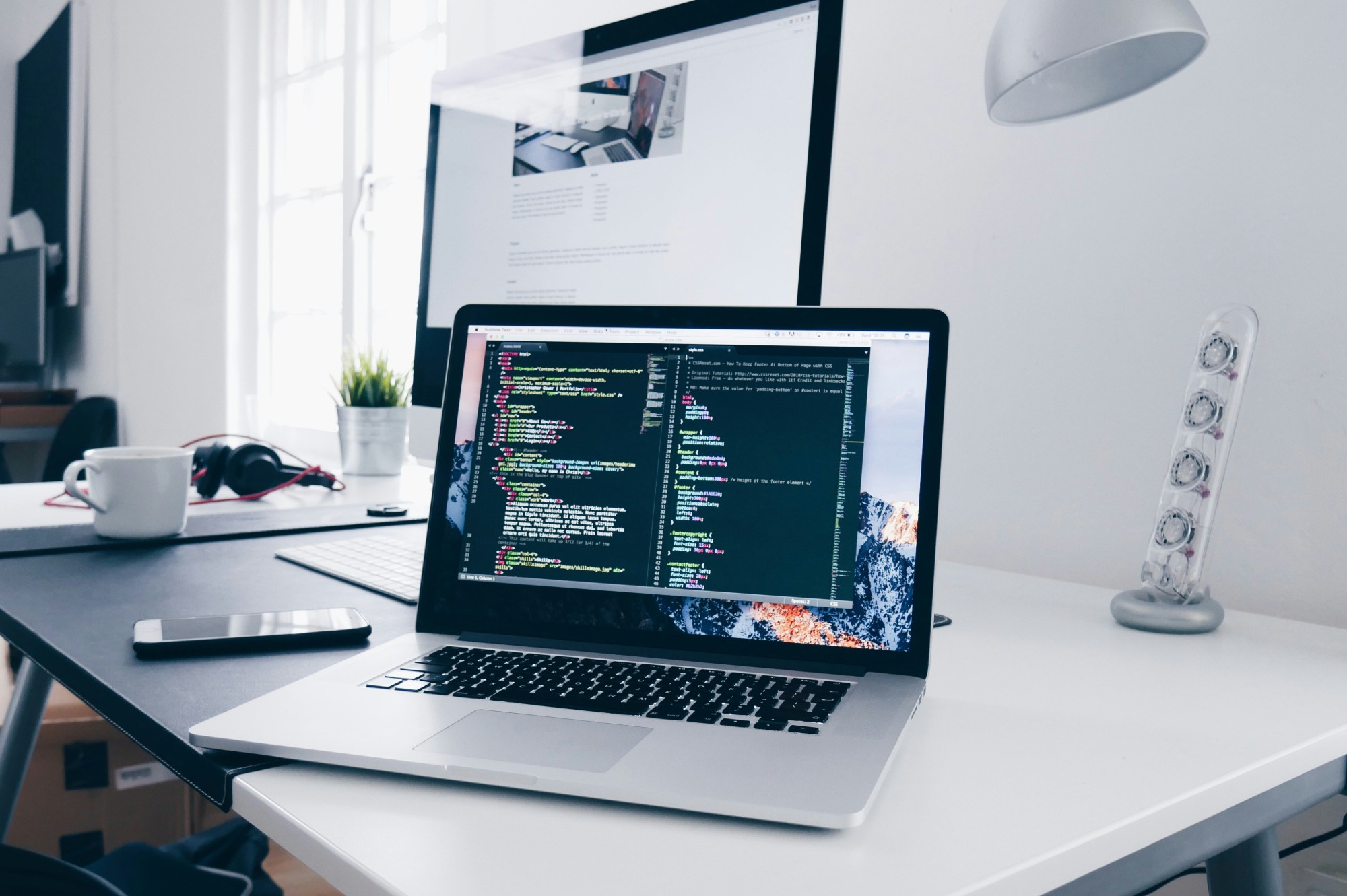
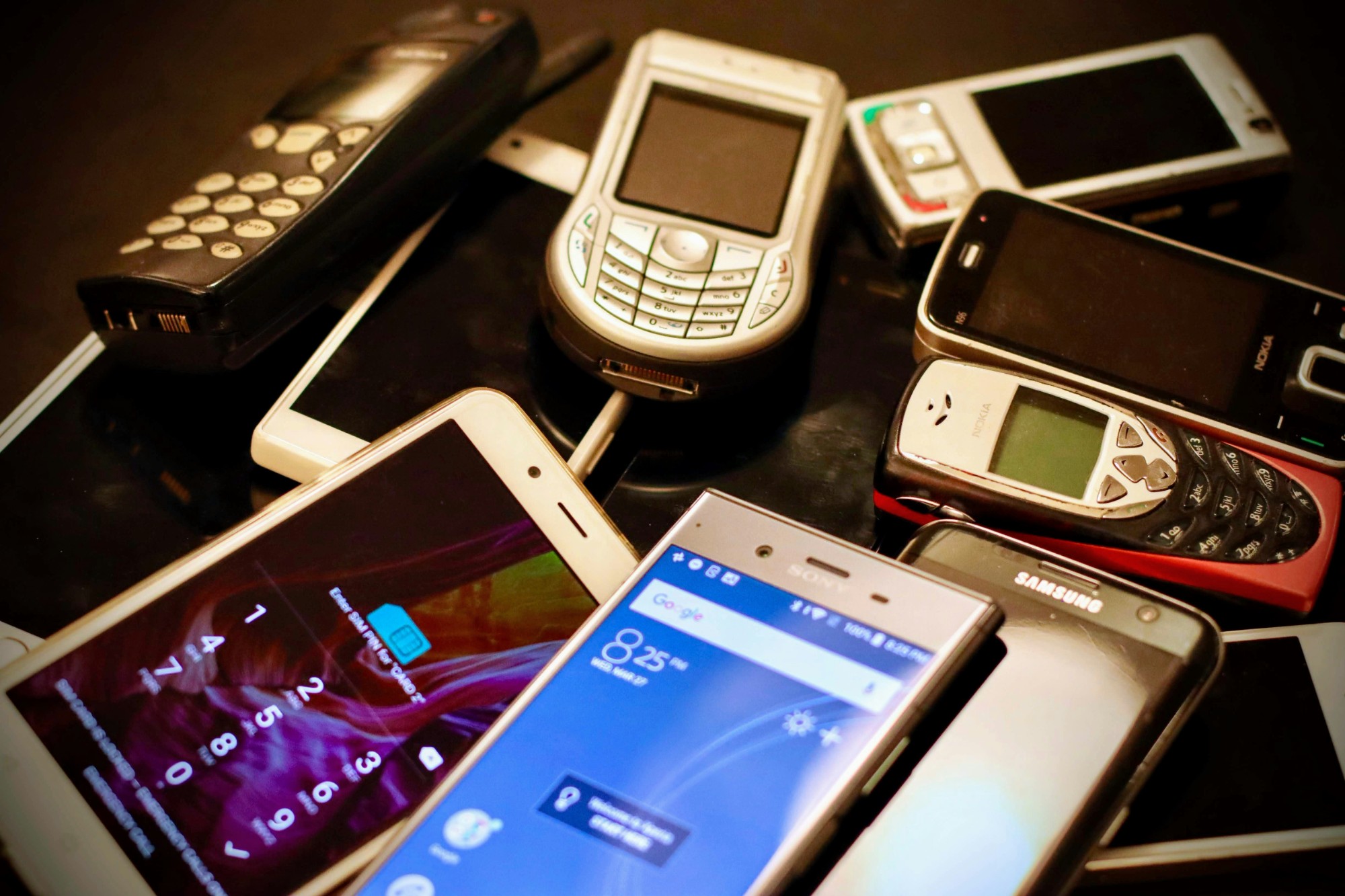
Full-spectrum iOS and Android forensics — FFS, BFU/AFU acquisition, SQLCipher recovery, BlackBerry chip-off. Deleted messages from WhatsApp, Signal, Telegram via WAL and freelist carving. Wearable / IoT extractions also included. Our deepest specialty.
View Mobile Forensics page →Apple iCloud — iCloud Backup, iCloud Drive, iMessage in iCloud, Photos, Notes, Keychain, Find My and Advanced Data Protection cases. Account-level acquisition with Apple legal-process documentation, token-based access where authorized and reconstruction of activity timelines from Apple's audit records.
View iCloud Forensics page →

When email evidence matters — whether you need to prove an email is genuine, recover deleted messages, or organize a large set of emails for a court case. We handle the work from start to finish, including Slack and Microsoft Teams conversations.
View Email & eDiscovery page →Live RAM acquisition and memory analysis. Running malware identification, credential recovery, encryption key extraction from memory using court-validated memory-forensics tooling.
Bit-for-bit imaging with full chain of custody — SATA, NVMe, SAS and write-blocked acquisition. SHA-256 and MD5 verification at every checkpoint. Stand-alone or bundled with deeper analysis.
Deepfake detection, EXIF metadata analysis, error level analysis (ELA) and provenance tracing. Rising-demand work as AI-generated media becomes evidence in family law, defamation and criminal cases.
Sensitive, discreet recovery of photos, messages and account access from a deceased loved one's devices. Estate-administrator-authorized work. Privacy-first handling under NDA.
Parental-authorized review of a minor child's device for safety concerns: stalker contact, predator grooming, self-harm content, exploitation. Quiet, lawful, evidence-preserving.
Wallet recovery, seed-phrase extraction, on-chain transaction tracing , cross-chain analysis and hidden-asset discovery for litigation. Crypto-savvy examiners are rare; premium specialist rates.
CCTV / DVR recovery, video authentication and enhancement, photogrammetry for crime-scene reconstruction. Audio cleanup, voiceprint analysis and transcription. Specialist tools, court-validated workflows.
Social media, dark web and public-records intelligence. Identity attribution, asset discovery, social-network mapping. Gateway service for many cases — finds the leads that drive forensic acquisition.
Alexa, Ring, Nest, smart locks, fitness trackers and connected accessories. Timestamped behavioral data from these devices often corroborates — or contradicts — the device user’s account. Premium specialty.
Tamper-evident packaging, photographed intake, signed engagement letter under privilege.
Write-blocked forensic image of source. SHA-256 and MD5 hashes captured pre- and post-acquisition.
File-system carving, registry parsing, SQLite WAL recovery and multi-source timeline reconstruction.
Findings with methodology section, tool-validation appendix, exhibits and reproducibility instructions for opposing experts.
Voir dire qualification, direct and cross. Court-admitted in BC, ON, NY, CA and federal courts.
What counsel, HR and individuals ask before retaining a forensic examiner in Canada.
Cybersecurity protects systems from future attack. Digital forensics reconstructs what happened on a specific device or account, in a way that holds up in court.
The two intersect in incident response — where we're stopping an attack AND preserving evidence. But the discipline differs: cybersecurity is forward-looking; forensics is backward-looking and adversarial-process-ready.
A backup copies the files you can see. A forensic image is bit-for-bit identical to the source — including unallocated space (deleted files), slack space, file-system metadata and the entire $MFT / catalog. We then verify with SHA-256 (and MD5 for legacy compatibility) so the image is provably identical.
That means we can recover deleted files, see when files were accessed and detect anti-forensics — none of which a regular backup preserves.
No. You need legal authority over the device or data: you own it, your employer owns it (and their policies allow them to access it), or you have written consent from the owner. Court orders are only required when you don't have one of those — typically when the device belongs to someone you're in dispute with.
Once we have authorization, chain of custody starts at intake. Tamper-evident packaging, photographed condition, signed receipt under privilege.
Yes — timestamps can be changed, metadata can be wiped, files can be planted. That's exactly why forensic examination exists.
We cross-check timestamps against system journals, examine anti-forensics signatures (CCleaner traces, BleachBit, secure-delete tooling), validate against multiple corroborating artifacts (registry, prefetch, USN journal, system event logs) and flag inconsistencies in the report. If something looks tampered, we can usually prove it.
The US federal admissibility test for expert testimony: methodology must be testable, peer-reviewed, have a known error rate and be generally accepted in the relevant scientific community. Canadian courts use the Mohan / White Burgess framework, which overlaps heavily.
Every DRL report is structured for Daubert scrutiny: methodology section, tool validation, exhibits and a reproducibility appendix that opposing experts can run themselves.
Live RAM acquisition first, then power-off imaging — in that order. RAM is volatile: it contains running processes, network connections, decryption keys (BitLocker / FileVault) and artifacts that vanish on shutdown. We capture it with court-validated memory-acquisition tooling, then pull the plug (not soft-shutdown — which writes to disk).
The whole sequence is choreographed and timestamped so the report can defend the order of operations.